
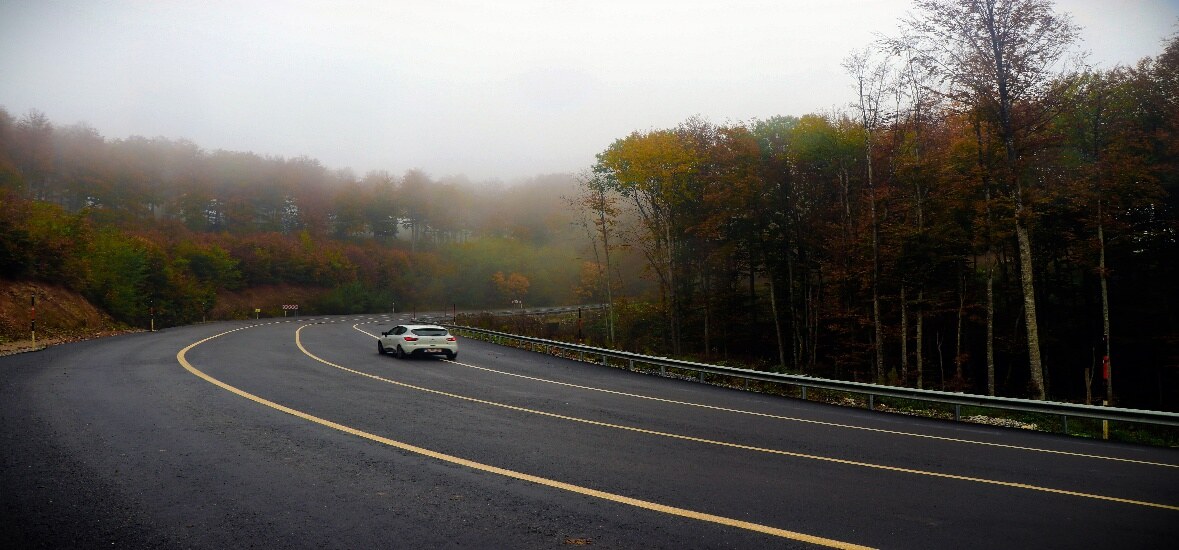
Fall in the Wabash Valley brings crisp autumn air, high school football, and vibrant foliage across Vigo County. Along with harvest season and cooler evenings, October and November mark the peak mating and migration period for white-tailed deer across western Indiana. For drivers traveling along State Road 46, US Highway 41, or rural county roads, sudden wildlife encounters pose a serious hazard to both vehicle safety and family finances.
Key Takeaways (TL;DR)
- Animal strikes in Indiana are paid under comprehensive coverage, not collision insurance.
- Swerving to avoid an animal and hitting a guardrail, tree, or ditch is classified as a collision claim, which carries different fault rules and deductibles.
- Reviewing comprehensive deductibles and policy limits before peak November deer activity protects drivers in Terre Haute and surrounding counties against surprise repair bills.
Understanding Comprehensive vs. Collision Coverage for Animal Strikes
Many drivers assume that any impact involving their vehicle falls under standard collision coverage. Under standard Indiana auto insurance contracts, direct physical contact with an animal—such as a deer jumping across Highway 40—is classified as "other than collision," commonly known as comprehensive coverage.
Comprehensive insurance pays for non-crash perils outside your direct operational control, including theft, hail damage, fallen tree branches, vandalism, and direct wildlife impacts. If your bumper strikes a deer directly on a rural Vigo County road, your comprehensive deductible applies, and the claim is typically treated as a non-fault comprehensive loss by insurance carriers.
The Critical Rule: Why You Should Never Swerve for Wildlife
When a large animal suddenly appears in your headlights along a dark stretch of road in Clay or Parke County, your natural human instinct is to jerk the steering wheel. Safety experts and law enforcement agencies across Indiana strongly advise against swerving.
When you veer away from an animal, several dangerous outcomes often follow:
- Loss of Control: Quick steering adjustments at highway speeds can cause your vehicle to roll over into a ditch or strike utility poles.
- Head-on Collisions: Swerving into the oncoming lane risks severe collisions with other motorists.
- Insurance Classification Shift: If you swerve to miss the deer, avoid touching the animal, and instead hit a guardrail or tree, your insurer must classify the event as a single-vehicle collision claim rather than a comprehensive claim. This switch can impact your future premium rates and requires paying your collision deductible.
The safest driving response is to firmly apply your brakes, keep a tight grip on the steering wheel, stay in your lane, and bring the vehicle to a controlled stop as safely as conditions allow.
Immediate Steps to Take After an Animal Incident
If you experience a deer collision in Terre Haute or nearby rural areas, taking the right steps immediately after the incident protects your safety and simplifies your insurance claim process.
- Move to a Safe Spot: Pull your vehicle completely off the roadway onto the shoulder if it is drivable, and turn on your hazard flashers immediately.
- Remain Inside Your Vehicle: Do not approach an injured animal. A frightened, wounded deer can cause severe physical harm with its hooves or antlers.
- Contact Law Enforcement: Call the Vigo County Sheriff's Department, Terre Haute Police, or Indiana State Police to report the collision. A formal police report verifies the time, location, and nature of the accident.
- Photograph the Scene and Damage: Capture clear photos of vehicle damage, road conditions, skid marks, and any animal hair or impact marks left on the vehicle frame.
- Check Vehicle Drivability: Look for leaking fluid, steam from damaged radiators, tire rubbing, or broken headlight assemblies before attempting to drive home. When in doubt, arrange for a tow truck.
Tailored Solutions: Choosing the Right Auto Coverage for Indiana Roads
Every household has distinct driving patterns, vehicle types, and financial priorities. Evaluating your auto policy before winter arrives ensures you hold proper protection across all variables:
- Daily Commuters: Drivers traveling through rural corridors in Sullivan or Vermilion counties benefit from lower comprehensive deductibles ($100 to $250) to minimize out-of-pocket expenses during peak migration months.
- Older Vehicles: If you drive an older vehicle, weigh the cash value of the car against the annual premium of carrying comprehensive and collision protection.
- Full Replacement and Rental Reimbursement: With auto body shops experiencing parts delays, adding rental car reimbursement coverage ensures you remain mobile while your vehicle is undergoing repairs.
Why Choose Crapo Insurance Agency for Your Auto Coverage
Established in 1999 and conveniently located at 1235 Ohio Street in Terre Haute, Crapo Insurance Agency, Inc. has served families and drivers throughout the Wabash Valley for over two decades. As an independent insurance agency, we do not work for a single insurance company—we work directly for you.
Our team compares coverage options and competitive rates across top-rated regional and national carriers to find policies matching your specific driving record and budget. Whether you have a spotless record or need coverage following past tickets, accidents, or claims, Crapo Insurance Agency offers personalized guidance and flexible monthly, quarterly, semi-annual, or annual payment options.
Frequently Asked Questions About Indiana Auto Insurance
Will hitting a deer raise my auto insurance rate in Indiana?
In most circumstances, direct physical contact with an animal is filed under comprehensive coverage as a not-at-fault claim. While individual carrier rating algorithms vary, comprehensive claims generally have far less impact on your rates than at-fault collision claims.
What is the minimum auto insurance requirement in Indiana?
Indiana state law mandates minimum liability limits of $25,000 for bodily injury per person, $50,000 for bodily injury per accident, and $25,000 for property damage liability (25/50/25). These state minimums only pay for damage you cause to others; they provide zero coverage for your own vehicle repairs after an animal strike or storm.
What is the difference between comprehensive and collision deductibles?
Your comprehensive deductible applies to non-crash events such as animal strikes, hail, wind, glass breakage, and fire. Your collision deductible applies when your vehicle hits another vehicle, a stationary object, or overturns. You can select different deductible amounts for each coverage on your policy.
Protect Your Vehicle with Independent Guidance
Do not wait until a deer dashes across Highway 46 to find out what your auto policy covers. Contact Crapo Insurance Agency, Inc. in Terre Haute to review your current policy, adjust deductibles, and compare quotes across leading insurance carriers today.